
Restore Glass–Steagall and Hamilton’s Credit System
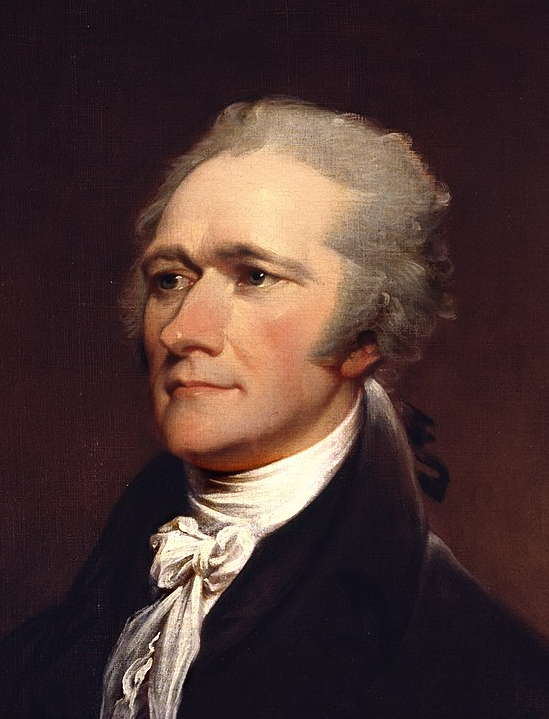 Alexander Hamilton
Historically, Alexander Hamilton’s prescription for national banking and a federal credit system has been proven to be the most effective policy method of generating real physical wealth, building essential infrastructure, and radically upgrading the living standards and livelihood of the American people. The application of Hamiltonian economics by Abraham Lincoln’s economist Henry C. Carey is what became known as the “American System” of political economy, resulting in Lincoln’s “greenback” policy which powered the industrial development of the Union, including the completion of the trans-continental railroad. Other examples of this include the explosion of internal improvements fueled by a National Bank under President John Quincy Adams, and Franklin Roosevelt’s use of Glass-Steagall and federal credit mechanisms like the Reconstruction Finance Corporation to rebuild our nation’s economy to overcome the great depression and defeat fascism.
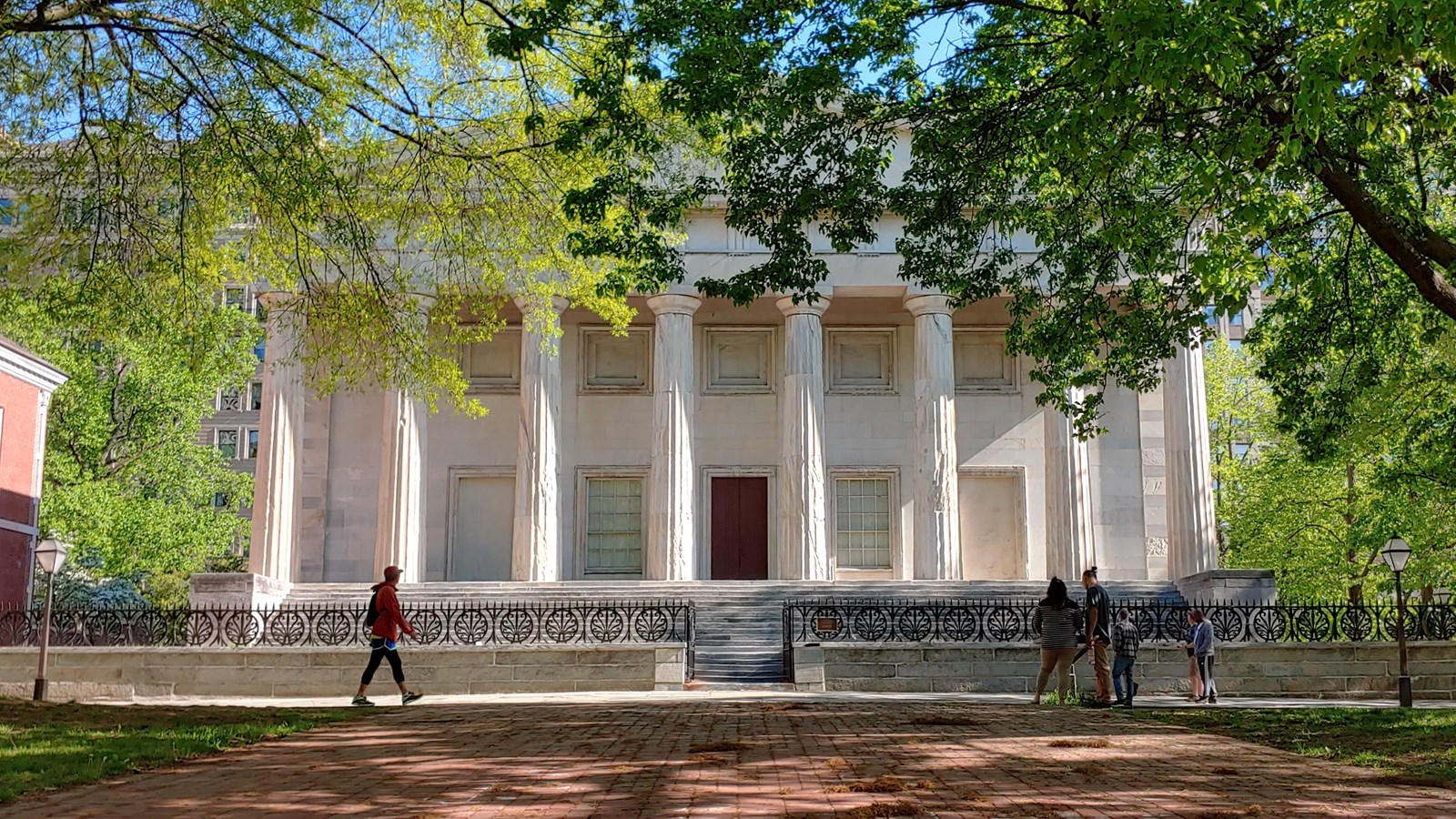 Established in 1817, the Second National Bank fueled the development of much of America's early canal, railroad, and other infrastructure.
Presently, we are witnessing the demise of the global floating-exchange-rate financial system established over a half-century ago, after the Aug. 15, 1971 decoupling of the U.S. Dollar from the gold reserve system—which has now disgorged a $2 quadrillion speculative bubble, sustained by looting the physical economy of the so-called North, but especially of the Global South. In the United States, this took the form of the conversion of the U.S. economy into a “post-industrial” nightmare, only sustained by the criminal devaluation of poorer nations’ currencies allowing cheap imports into the United States as the “importer of last resort.” Now the nations of the Global South, representing the vast majority of the world’s population, have wisely chosen to abandon this financial Titanic to instead pursue a pathway more akin to the traditional American System approach of prioritizing credit for infrastructure, industrial development and scientific advancement. China’s Belt and Road Initiative is a prime example of this today.
The immediate “lifeboat” for the United States to save itself from this sinking transatlantic Titanic, would be to return to Franklin Roosevelt’s 1933 Glass-Steagall Act. “Decoupling” from the unsustainable Wall Street/City of London financial bubble would thus allow a return to a productive U.S. Dollar— like Lincoln’s greenback—as distinct from the speculative London-dollar, or “Londollar,” which rules the trans-Atlantic financial sector today. The United States could then create a new Hamiltonian national banking and credit system based on rapid investment into non-speculative productive activities like manufacturing, energy, infrastructure, as well as science drivers like fusion energy development and space exploration. This policy is the intention of LaRouche’s “Four New Laws to Save the U.S.A” (see intro).
Importantly, this would signal a return of the United States to her original anti-colonial, pro-development tradition, an especially fitting achievement for the celebration of the 250th anniversary of the American Revolution. A United States rid of the domination by Wall Street and City of London interests would also open the door to a working “win-win” alliance with Russia, China and the Global South. Such an alliance is the only sure basis for peace and a new era of economic progress for all.
For more, see thelarouche.org/credit